
Woolbert Dental in Shreveport helps patients build and maintain dental hygiene habits that prevent cavities, gum disease, and costly restorative treatment. Dr. Michael Woolbert and our hygiene team provide professional cleanings, personalized home care coaching, and early detection exams — so small issues never become big problems. Schedule your hygiene visit or call 318-868-8276.
Dental Home Care
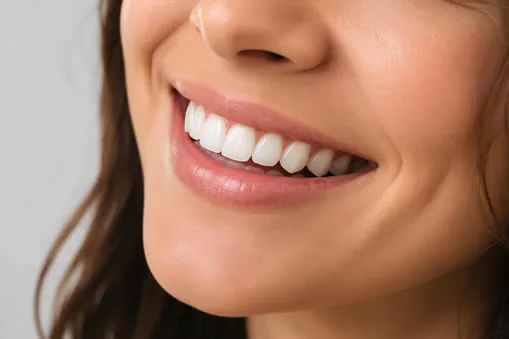
No treatment will be effective unless you follow it up with routine and proper home care. This means you should brush and floss regularly after every meal and at a minimum twice a day. The key is not only to do it regularly but also to do it right.
Every hygiene visit at Woolbert Dental includes a personalized home care assessment. We evaluate your brushing and flossing technique, identify areas you may be missing, and recommend specific products — from electric toothbrush heads to interdental brushes — based on your unique oral anatomy.
For patients with braces, implants, bridges, or dexterity challenges, we tailor a modified hygiene routine that accounts for these factors. The goal is a realistic daily routine you can actually maintain.
Reviewed by Dr. Michael Woolbert · Woolbert Dental, Shreveport
Transcript
Flossing
To properly floss you should wind the floss around both of your index fingers and push it between each of your teeth in your mouth. Make sure to freely move the floss upwards, downwards and even sideways to remove any food particles or plaque that may be lodged between your teeth or under the gums.
Transcript
Brushing
Many people these days use an electric toothbrush such as a Sonicare. Whether you use an electric or still prefer a manual brush you should hold the brush at a 45-degree angle to your teeth. Gently but thoroughly rotate the bristles across your teeth and under your gums with a backward and forward motion.
Be sure to also get the top surfaces of your teeth where you bite or chew on food. Your tongue can also be cleaned with your toothbrush, which will help reduce bad breath. Lastly it is important to brush the inside surfaces of your teeth with the same rotating motion.
Fluoride and Rinses
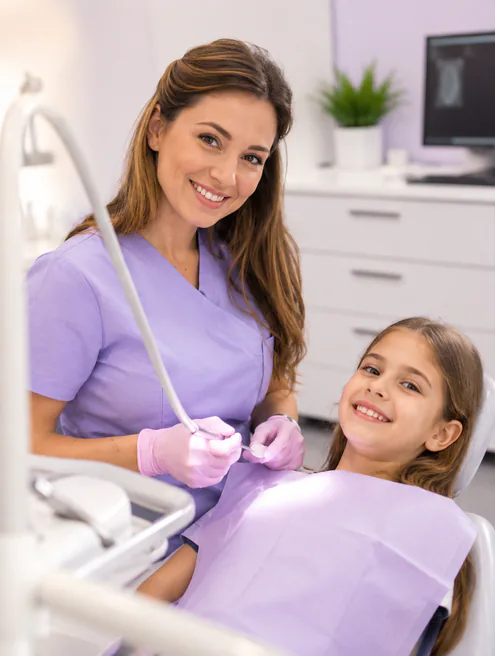
When brushing, it is important to use toothpaste that contains fluoride. Fluoride helps harden the outer layer of the tooth, called enamel, which will prevent cavities and also reduce bacteria in the mouth. It can also reverse the formation of smaller cavities.
Antibacterial rinses can also help reduce bacteria in the mouth. Please check with your dentist or dental hygienist if you have any additional questions about dental hygiene.
Benefits of Good Dental Hygiene
Practicing good dental hygiene daily helps protect your teeth and gums for a lifetime:
Cavity Prevention
Daily plaque removal through brushing and flossing deprives cavity-causing bacteria of the environment they need to produce enamel-eroding acid.
Gum Disease Prevention
Removing plaque from the gumline daily prevents the chronic inflammation that leads to gingivitis and, if untreated, irreversible periodontal disease.
Fresh Breath
Consistent brushing, flossing, and tongue cleaning eliminates the bacterial sources of chronic bad breath that mouthwash alone cannot address.
Stronger Enamel
Fluoride toothpaste remineralizes early enamel damage from acid exposure, strengthening your teeth against future decay with every brushing session.
Better Overall Health
Oral bacteria have been linked to cardiovascular disease, diabetes complications, and respiratory infections. Good dental hygiene protects far more than your smile.
What to Expect During Your Dental Hygiene Visit
Here is what a typical hygiene appointment looks like at Woolbert Dental. Most visits take 45–60 minutes.
- 1. Medical history review. Your hygienist reviews any changes in medications, health conditions, or concerns since your last visit.
- 2. Oral exam and charting. Gum pocket depths are measured, existing restorations are checked, and any areas of concern are documented.
- 3. Professional cleaning. Plaque and tartar are removed with ultrasonic and hand instruments, followed by polishing and flossing.
- 4. Home care coaching. Your hygienist identifies areas you may be missing and demonstrates proper technique with your specific toothbrush and floss type.
- 5. Exam with Dr. Michael Woolbert. Dr. Michael Woolbert reviews findings, discusses any recommended treatment, and answers your questions.
Common Questions About Dental Hygiene
These are the concerns patients raise most often. Dr. Michael Woolbert addresses each one at your visit.
"I brush twice a day — why do I still get cavities?"
Brushing alone reaches about 60% of tooth surfaces. The remaining 40% — the spaces between teeth — can only be cleaned with floss or interdental brushes. Cavities between teeth (interproximal cavities) are among the most common types we see, and they're almost entirely preventable with daily flossing.
"Should I use an electric toothbrush or manual?"
Both can be effective when used with proper technique. However, studies consistently show that electric toothbrushes — particularly oscillating-rotating models — remove more plaque than manual brushing. They're especially helpful for patients with limited dexterity, braces, or a history of aggressive brushing that causes gum recession.
"How often should I replace my toothbrush?"
Replace your toothbrush or brush head every 3 months, or sooner if the bristles are frayed. Worn bristles remove significantly less plaque. You should also replace your brush after recovering from any illness to avoid reintroducing bacteria.
Risks of Poor Dental Hygiene
Understanding the consequences of neglecting dental hygiene helps put the value of daily care into perspective.
- Plaque buildup leads to cavities, which can progress to infection and tooth loss if untreated
- Chronic gum inflammation (gingivitis) can advance to periodontitis — causing irreversible bone loss and tooth mobility
- Aggressive brushing with a hard-bristled brush can cause gum recession and enamel wear — use a soft brush with gentle pressure
- Research links untreated oral infections to increased risk of cardiovascular disease, diabetes complications, and adverse pregnancy outcomes
Frequently Asked Questions About Dental Hygiene
You should brush and floss regularly after every meal and at a minimum twice a day. The key is not only to do it regularly but also to do it right — using proper technique for both brushing and flossing.
Wind the floss around both of your index fingers and push it between each of your teeth. Make sure to freely move the floss upwards, downwards and even sideways to remove any food particles or plaque that may be lodged between your teeth or under the gums.
Whether you use an electric or manual brush, hold the brush at a 45-degree angle to your teeth. Gently but thoroughly rotate the bristles across your teeth and under your gums with a backward and forward motion. Be sure to also clean the top surfaces, inside surfaces, and your tongue.
Fluoride helps harden the outer layer of the tooth, called enamel, which will prevent cavities and also reduce bacteria in the mouth. It can also reverse the formation of smaller cavities, making it an essential ingredient in your daily dental care routine.
Yes. At our Shreveport dental office we provide comprehensive dental hygiene services including cleanings, exams, and guidance on proper home care. Contact our office today to schedule an appointment.
No. Mouthwash is a helpful supplement but cannot replace brushing and flossing. It does not physically remove plaque or food debris from tooth surfaces. An antibacterial rinse can reduce bacteria counts temporarily, but the mechanical action of brushing and flossing is what prevents cavities and gum disease.
Brush for a full two minutes each session — 30 seconds per quadrant of your mouth. Most people significantly underestimate how long they brush. Using an electric toothbrush with a built-in timer or a phone timer helps ensure you reach the full two minutes.
Water flossers are effective at reducing gum inflammation and are especially helpful for patients with braces, implants, or bridges. However, traditional floss is better at physically scraping plaque from tooth surfaces. Ideally, use both — or use whichever method you will actually do consistently. The best flossing tool is the one you use every day.
Medical Disclaimer
This content is for informational purposes only and does not constitute dental or medical advice, diagnosis, or treatment. Aggressive brushing can cause gum recession and enamel wear. Consult Dr. Michael Woolbert or a qualified dental professional regarding any questions about your oral health. Individual results may vary.
Before, during and after your dental hygiene appointment
This is the part that happens at home. What we do in the chair only holds if brushing and flossing are done right, twice a day.
How to prepare
- Bring the brush you actually use to your next appointment. What is worn down on it tells us more than a description does.
- Tell us where you find flossing impossible — around a bridge, behind a back tooth, with arthritic hands. There is a tool for each of those.
- If your gums bleed, do not stop cleaning the area. Bleeding is inflammation, and inflammation settles when the plaque comes off.
- Bring your list of medications; several cause dry mouth, which changes everything about home care.
How it is carried out
- Wind the floss around both index fingers and push it between each of your teeth.
- Move the floss upwards, downwards and even sideways to remove food particles or plaque lodged between the teeth or under the gums.
- Hold the brush at a 45-degree angle to the teeth and gently but thoroughly rotate the bristles across the teeth and under the gums with a backward and forward motion.
- Brush the biting surfaces, the inside surfaces with the same rotating motion, and the tongue.
- Use a toothpaste containing fluoride, and an antibacterial rinse if we recommend one.
Afterwards, and long term
- Brush and floss regularly after every meal and at a minimum twice a day. The key is not only to do it regularly but also to do it right.
- Cleaning your tongue with the toothbrush will help reduce bad breath.
- Fluoride hardens enamel, prevents cavities, reduces bacteria and can reverse the formation of smaller cavities.
- Check with your dentist or dental hygienist if you have any additional questions about dental hygiene.
What we use, and why it matters to the result
The whole list is home-care equipment — what to brush with, what to floss with, and what reaches the places a brush cannot.
Fluoride toothpaste
Fluoride helps harden the outer layer of the tooth, called enamel, preventing cavities, reducing bacteria and reversing the formation of smaller cavities.
Electric toothbrush
Many people these days use an electric toothbrush such as a Sonicare. Whether electric or manual, the 45-degree angle and the rotating motion are the same.
Dental floss
Wound around both index fingers and moved upwards, downwards and sideways to clear food particles and plaque from between the teeth and under the gums.
Antibacterial rinse
Can also help reduce bacteria in the mouth. Check with your dentist or hygienist whether one is right for you.
Floss threaders and superfloss
For cleaning under a bridge or around an implant, where ordinary floss cannot be threaded through.
Dental sealants
Clear plastic applied to the chewing surfaces to fill grooves that are difficult for a brush to clean.